How to Choose the Right AI Model: Cost, Speed and Quality
4 October 2026 · 8 min read
Vyom Solution
Founder & Lead Designer
Vyom Solution is a web studio based in India, designing and building custom websites for founders worldwide.
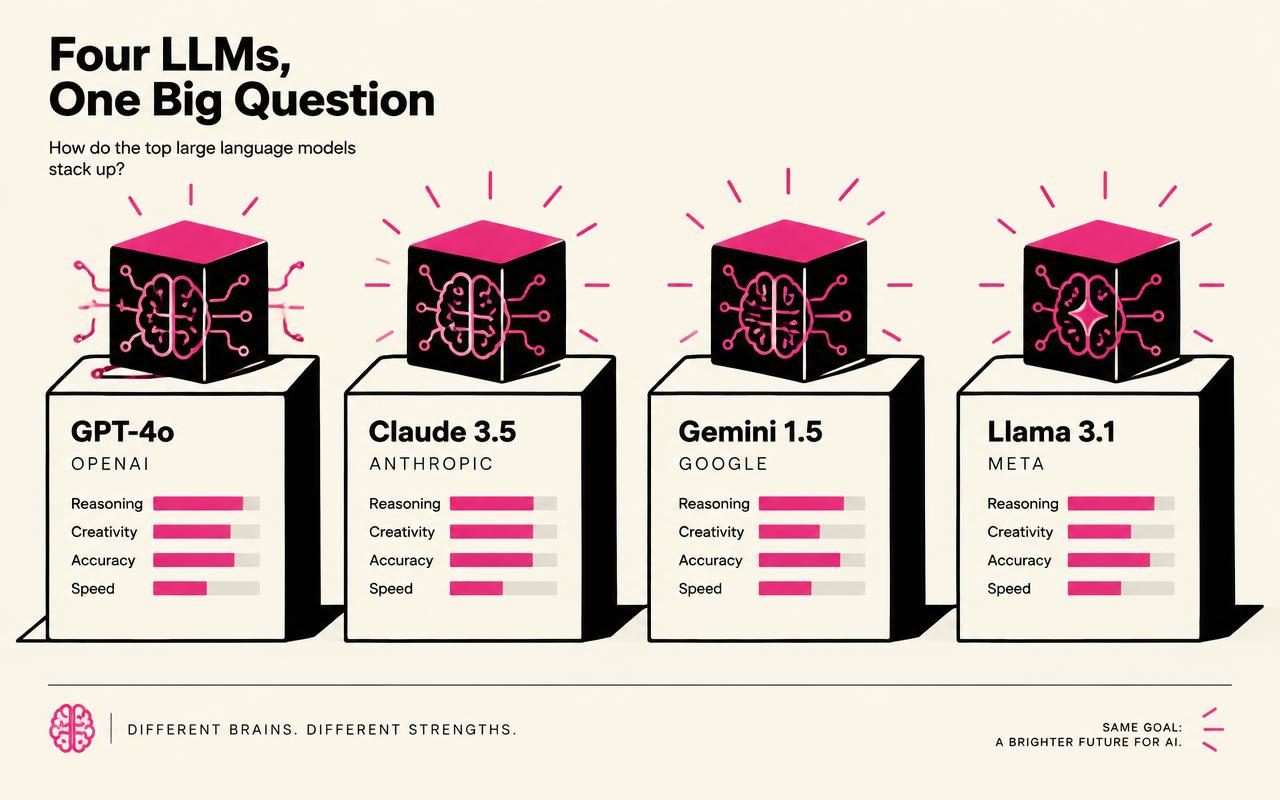
Most teams overspend on AI by using their most powerful model for everything. A support reply doesn't need the same brain as a legal analysis.
This framework helps you match model size to task, so you get the quality you need at a cost you can live with. For the brand comparison, see GPT vs Claude vs Gemini vs Llama.
▪The four questions that decide everything
Answer these before you look at a single leaderboard.
- ✓How long is the input? — a tweet or a 200-page PDF needs very different context windows
- ✓How fast must it reply? — live chat needs low latency; overnight reports don't
- ✓How costly is a mistake? — high stakes justify a stronger, pricier model
- ✓How many times a day? — high volume makes cost per call matter most
▪Decision table: model tier by task
Most providers offer small, medium and large tiers. Map your tasks to them.
| Task | Recommended tier | Why |
|---|---|---|
| Classify / tag / route | Small | Simple, high volume |
| Website chat replies | Small–Medium | Needs speed |
| Blog and email drafts | Medium | Quality vs cost balance |
| Code and data analysis | Large | Accuracy matters |
| Agent planning | Large | Errors compound across steps |
▪Mix models instead of picking one
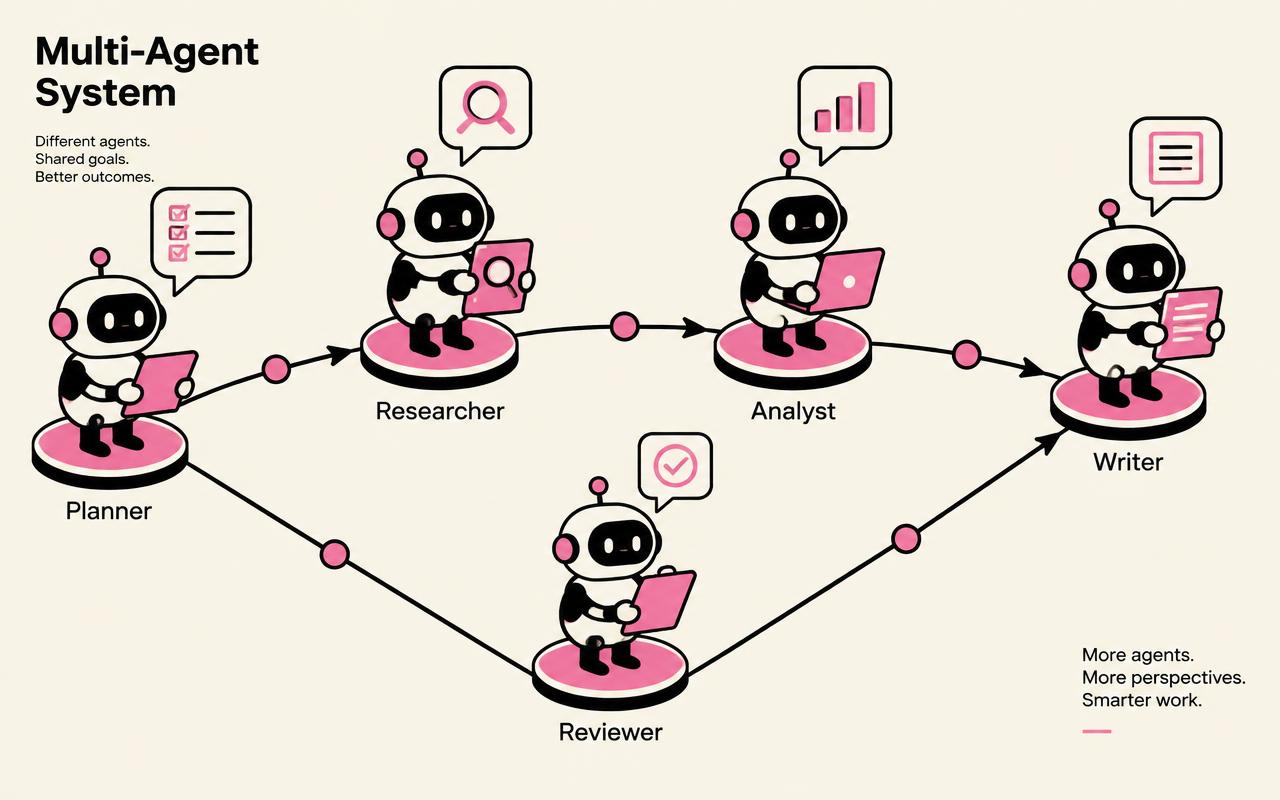
The smartest setups route each request to the cheapest model that can handle it, and escalate to a larger one only when needed. This is also how good multi-agent systems keep cost under control.
▪Action Steps
- 1
List your AI tasks: and how often each runs.
- 2
Assign a tier: using the decision table above.
- 3
Test the smaller tier first: move up only if quality falls short.
- 4
Track cost per task: not just the monthly bill.
▪Frequently Asked Questions
What is a context window?+
The amount of text a model can read at once, measured in tokens. Longer windows let it handle bigger documents in one go.
Are smaller AI models worse?+
For complex reasoning, yes. For simple, repetitive tasks they are often just as good — and much faster and cheaper.